4.8 Rating. Excellent.

FAQs
How CBD may help with sleep
Insomnia and other sleep disorders affect millions of people globally, and many are now exploring CBD as a natural alternative to conventional sleep aids. While research continues to evolve, recent clinical trials suggest that CBD could support improved sleep quality, particularly for individuals experiencing chronic or irregular sleep patterns.
What the science says about CBD for sleep

150 mg CBD could improve sleep efficiency
A 2024 randomised, double-blind study published in The Journal of Clinical Sleep Medicine tested 150 mg of CBD, taken nightly for two weeks among adults with moderate to severe insomnia. The findings indicated:
- A 6.8% increase in objective sleep efficiency compared to placebo (as measured by actigraphy).
- Participants reported enhanced well-being scores, with significant improvements observed throughout the trial.
- No serious side effects were reported—only mild dry mouth and occasional nausea in a few cases.
Read the full study on PubMed: Cannabidiol for moderate-severe insomnia: a randomized controlled pilot trial of 150 mg of nightly dosing.

300 mg CBD with terpenes may boost restorative sleep
A 2025 randomised crossover trial involving 125 adults investigated the effects of 300 mg of CBD combined with eight naturally occurring terpenes, such as linalool, myrcene, and limonene. Participants consumed the blend at least four nights per week for one month. Key findings included:
- A measurable increase in restorative sleep stages (SWS + REM), with an average improvement of 1.3% in total sleep time.
- Some individuals experienced up to 48 additional minutes of deep and REM sleep per night, particularly those with poor baseline sleep or irregular schedules (e.g. shift work).
- The formulation was well-tolerated, with no adverse events reported.
Read the full study on PubMed: Effects of a cannabidiol/terpene formulation on sleep in individuals with insomnia: a double-blind, placebo-controlled, randomized, crossover study.
Key takeaways from CBD sleep studies
1
CBD could improve sleep efficiency and overall restfulness, particularly for individuals with sleep disorders.
2
Combining CBD with calming terpenes could offer additional benefits in enhancing deep and REM sleep.
3
Both studies reported favourable safety profiles, even at relatively high doses
(150–300 mg).
Recommended CBD products for sleep
-
 HempElf
"Zkittlez" Hemp Flowers (CBD 8-13%)
Regular price From:£9.00/g£4.50/gFrom: Regular priceUnit price per£9.00/gSale price £4.50/g- 1g
- 2g
- 3.5g
- 7g
- 14g
- 28g
Sale -
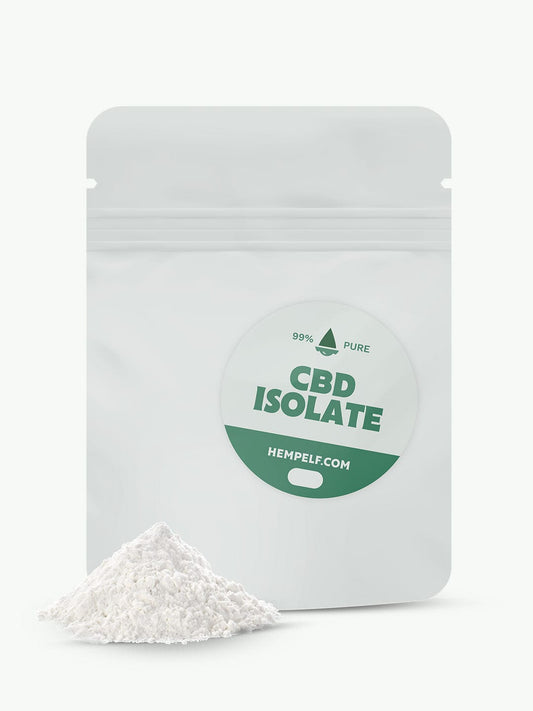
- 1g
- 3g
-
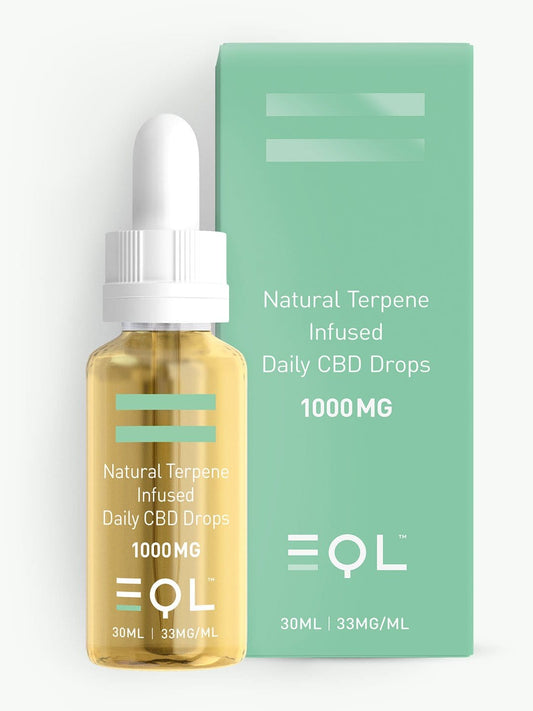
EQL
1000mg Broad Spectrum CBD Oil UK | Cannabis Terpene Infused
Regular price £66.00Regular priceUnit price per -
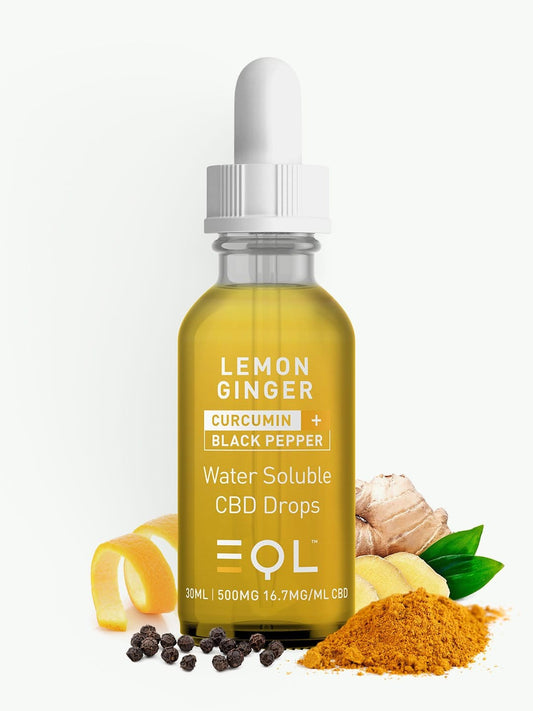
EQL
500mg CBD Water Soluble|Black Pepper, Curcumin, Lemon & Ginger
Regular price £45.00Regular priceUnit price per -
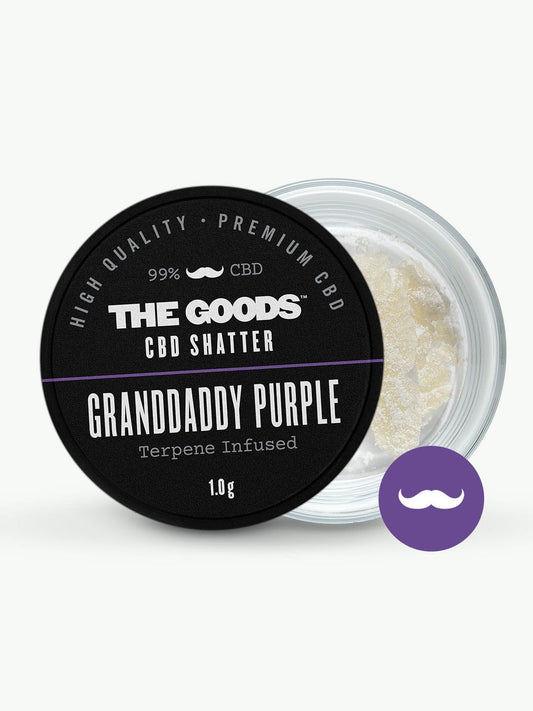 The Goods
GRANDDADDY PURPLE CBD ISOLATE SHATTER UK
Regular price £10.00Regular priceUnit price per£10.00Sale price £10.00- 0.5g
- 1g
- 2g
- 3.5g
- 7g
- 14g
- 28g


FAQs
Collapsible content
What CBD dosage is best for sleep?
There is no universally optimal CBD dose for sleep—it varies based on factors such as body weight, metabolism, and the severity of sleep-related concerns. However, clinical studies provide guidance based on observed outcomes.
What the research suggests
A 2024 study found that 150 mg of CBD, administered sublingually approximately one hour before bedtime, significantly improved sleep efficiency and well-being among adults with primary insomnia.
A 2025 study employed a higher dose—300 mg of CBD with terpenes—and reported increases in deep and REM sleep, especially among individuals with poor baseline sleep or shift work schedules.
Key recommendations
1. Administer CBD 30–60 minutes prior to bedtime.
2. Sublingual oils or isolate powder allow for faster absorption compared to capsules or edibles.
3. Use a sleep journal or app to monitor improvements over time.
How long before bed should CBD be taken?
The ideal timing for CBD intake is
generally 30 to 60 minutes before bedtime. This allows the body to begin
processing the cannabinoids and promotes a more natural transition into sleep.
Key recommendations
1. Maintain consistency by administering CBD at the same time each evening.
2. Avoid taking CBD immediately before bed if using a slower-acting form such as capsules.
3. Pair CBD with a relaxing pre-sleep routine (e.g. low lighting, avoiding screens).
Does CBD help with falling asleep or staying asleep?
CBD could assist with both falling and staying asleep, though individual responses and dosage levels can vary.
1. Falling asleep: CBD's calming effects could reduce mental overactivity and promote relaxation.
2. Staying asleep: CBD could improve the quality of deep sleep and reduce interruptions, particularly when used consistently.
Responses may differ; while some individuals report rapid benefits, others may require one to two weeks of regular use.
What form of CBD is most effective for sleep—oils, capsules, vapes, or edibles?
The most suitable form depends on
personal preferences and desired onset time.
1. CBD oils (sublingual)
- Best for: Fast, consistent absorption
- Onset: 15–45 minutes
- Rationale: Held under the tongue for direct bloodstream entry
2. CBD isolate powder
- Best for: Precise dosing and combining with other supplements
- Onset: 15–45 minutes
- Rationale: Offers clinical-level dosages affordably
3. CBD vapes and CBD flower
- Best for: Immediate relief from pre-sleep anxiety
- Onset: 5–15 minutes
- Rationale: Inhalation delivers cannabinoids quickly to the brain
4. CBD capsules or edibles
- Best for: Slow, sustained effects
- Onset: 60–90 minutes
- Rationale: Absorbed through digestion for extended impact
Can CBD be combined with melatoninor other sleep aids?
Yes, many individuals safely combine CBD with melatonin or other natural aids. However, caution should be exercised with dosages and potential interactions.
CBD and melatonin
- Melatonin: Regulates the circadian rhythm
- CBD: Reduces anxiety, supports the nervous system, enhances sleep quality
Combined, these compounds may synergise:
- Melatonin supports sleep onset.
- CBD supports sleep continuity and quality.
Additional combinations
- CBD is often paired with magnesium, L-theanine, chamomile, or valerian root.
- Always check for interactions if using prescription sedatives.
- Consult a healthcare professional if managing a medical condition.
Is CBD safe for nightly use?
Yes. Current research supports the safe, ongoing use of CBD for sleep, especially in moderate to high doses.
Supporting evidence
- Narayan et al. (2024): 150 mg CBD nightly for two weeks—no serious side effects.
- Wang et al. (2025): 300 mg CBD + terpenes over four weeks—zero adverse events.
Considerations
- Use consistently for best results.
- Select high-quality, third-party-tested CBD.
- Begin with a low dose and adjust gradually.
Will CBD cause grogginess in the morning?
CBD is unlikely to cause morning
grogginess. Many users report feeling refreshed and mentally clear upon waking.
Comparison with sedatives
Unlike medications that suppress the nervous system, CBD:
- Reduces anxiety naturally
- Enhances deep sleep stages without disrupting sleep architecture
Recommendation
If drowsiness occurs:
- Administer CBD earlier in the evening (1–2 hours before bed).
- Consider reducing the dosage slightly.
Does CBD affect dreams or REM sleep?
CBD does not typically induce vivid dreams, but it may alter sleep architecture, especially REM and deep sleep phases.
Research findings
- Wang et al. (2025): 300 mg CBD + terpenes resulted in a marked increase in REM and slow-wave sleep.
- Participants with irregular sleep (e.g. shift workers) experienced up to 48 additional minutes of deep sleep per night.
Conclusion
CBD could promote deeper REM sleep, which could lead to more vivid dreams for some individuals. This is a positive indicator of restorative sleep.
Can CBD help with sleep caused byanxiety or stress?
Yes—CBD appears particularly effective
when anxiety or stress is the underlying cause of sleep disruption.
Mechanism
CBD interacts with the endocannabinoid
system (ECS) and may:
- Lower cortisol levels
- Reduce cognitive hyperarousal
- Promote physical and mental
relaxation
Evidence
- Both 2024 and 2025 studies
reported improved subjective well-being alongside better sleep, indicating stress-related benefits.
Is full-spectrum or isolate CBDbetter for sleep?
Both can be effective, depending on
individual goals.
Full-spectrum CBD
Contains CBD along with other cannabinoids (including <0.2% THC), flavonoids, and terpenes.
- Pros: Entourage effect, potentially enhanced calming properties
- Best for: Holistic users open to trace THC content
CBD isolate
Pure cannabidiol without additional
cannabinoids or terpenes.
- Pros: Zero THC, easier dosing precision
- Best for: Individuals aiming to replicate clinical doses or avoid THC entirely